Construction of the new refectory for elementary schools in Bellinzago Novarese
Client: Municipality of Bellinzago Novarese
Project level: Executive project, Safety Coordination, and Construction Management
Years: 2023-2024 – Completed
Dimensions: 414.22 m²
Economic framework amount: € 770.000
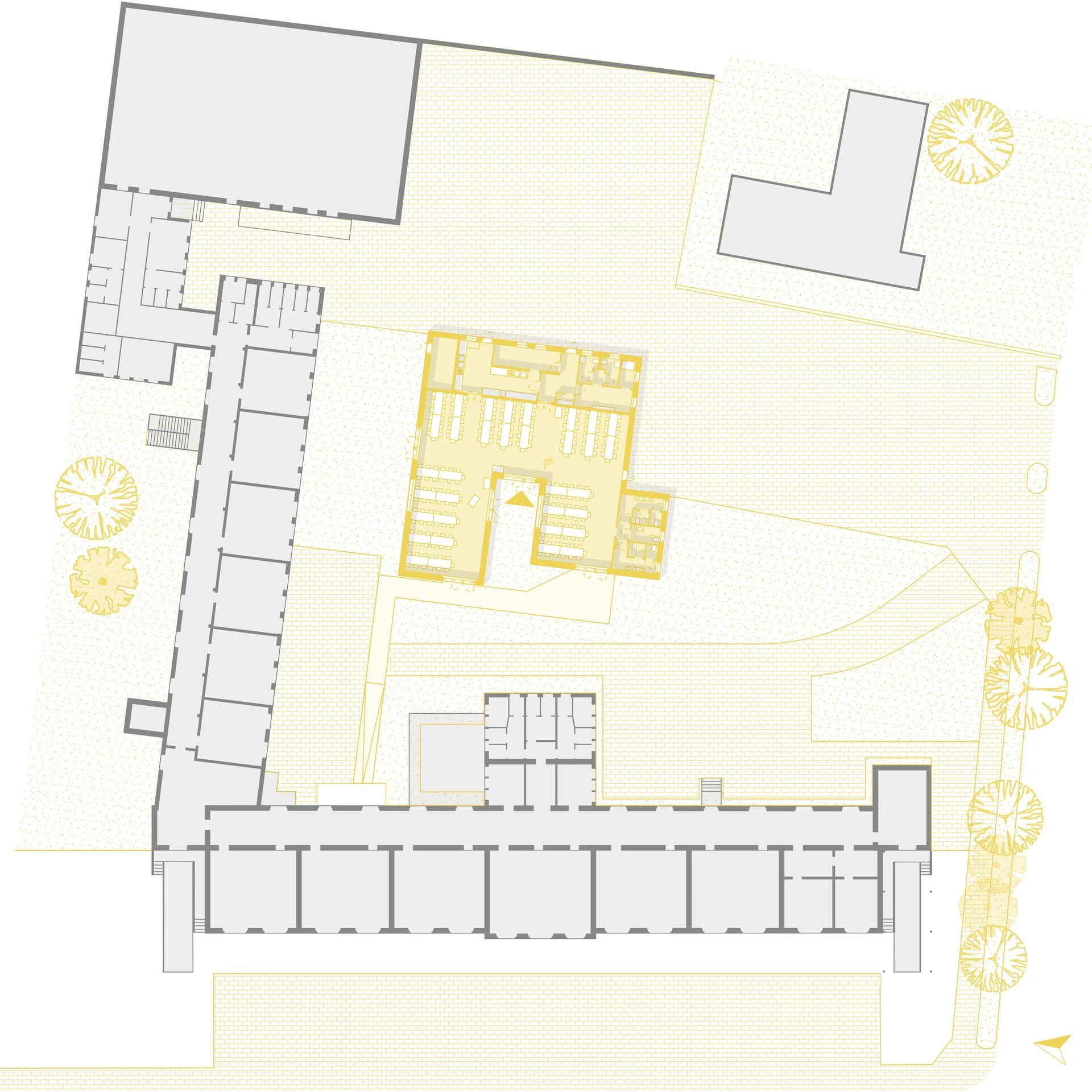
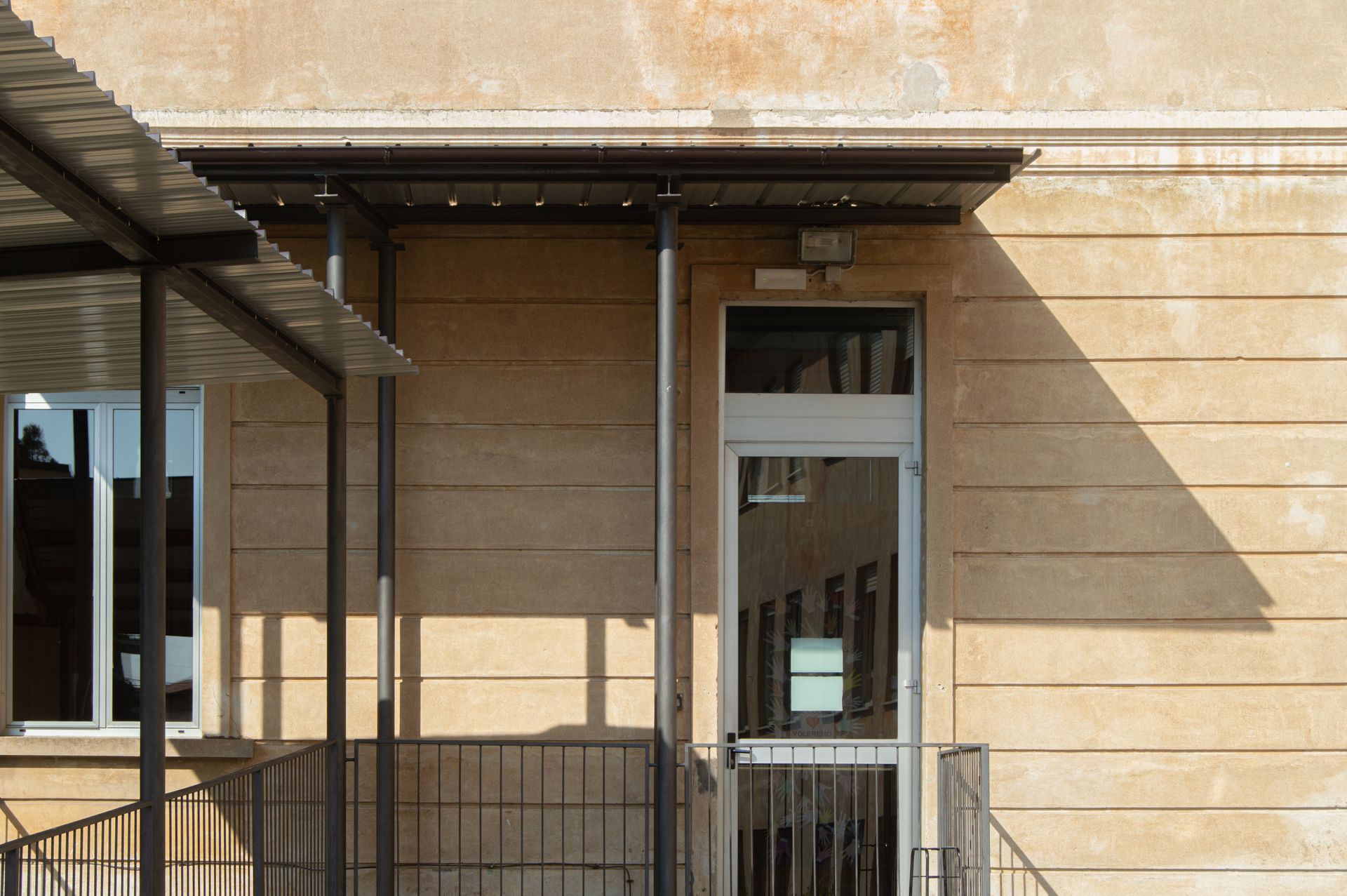
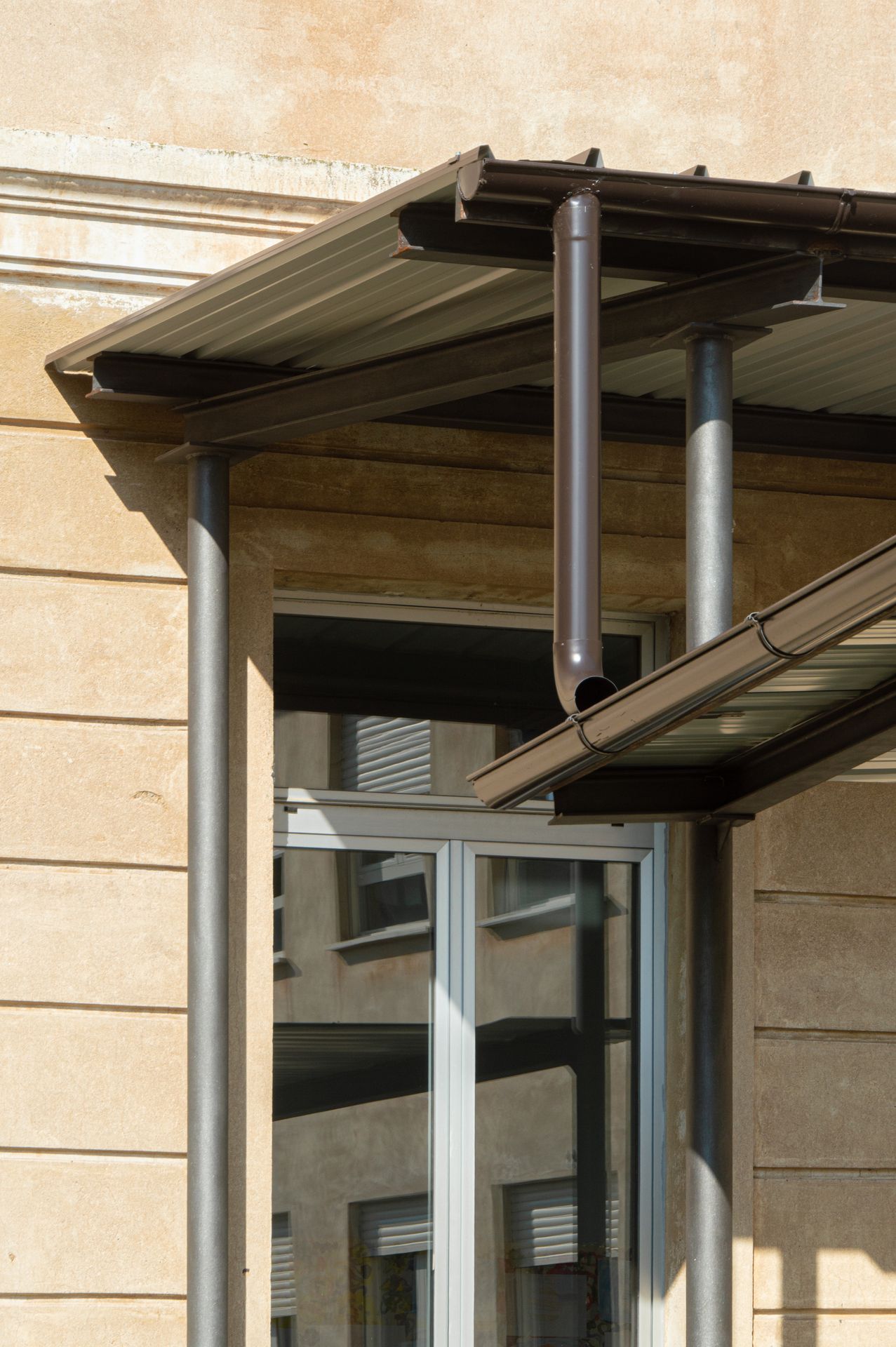
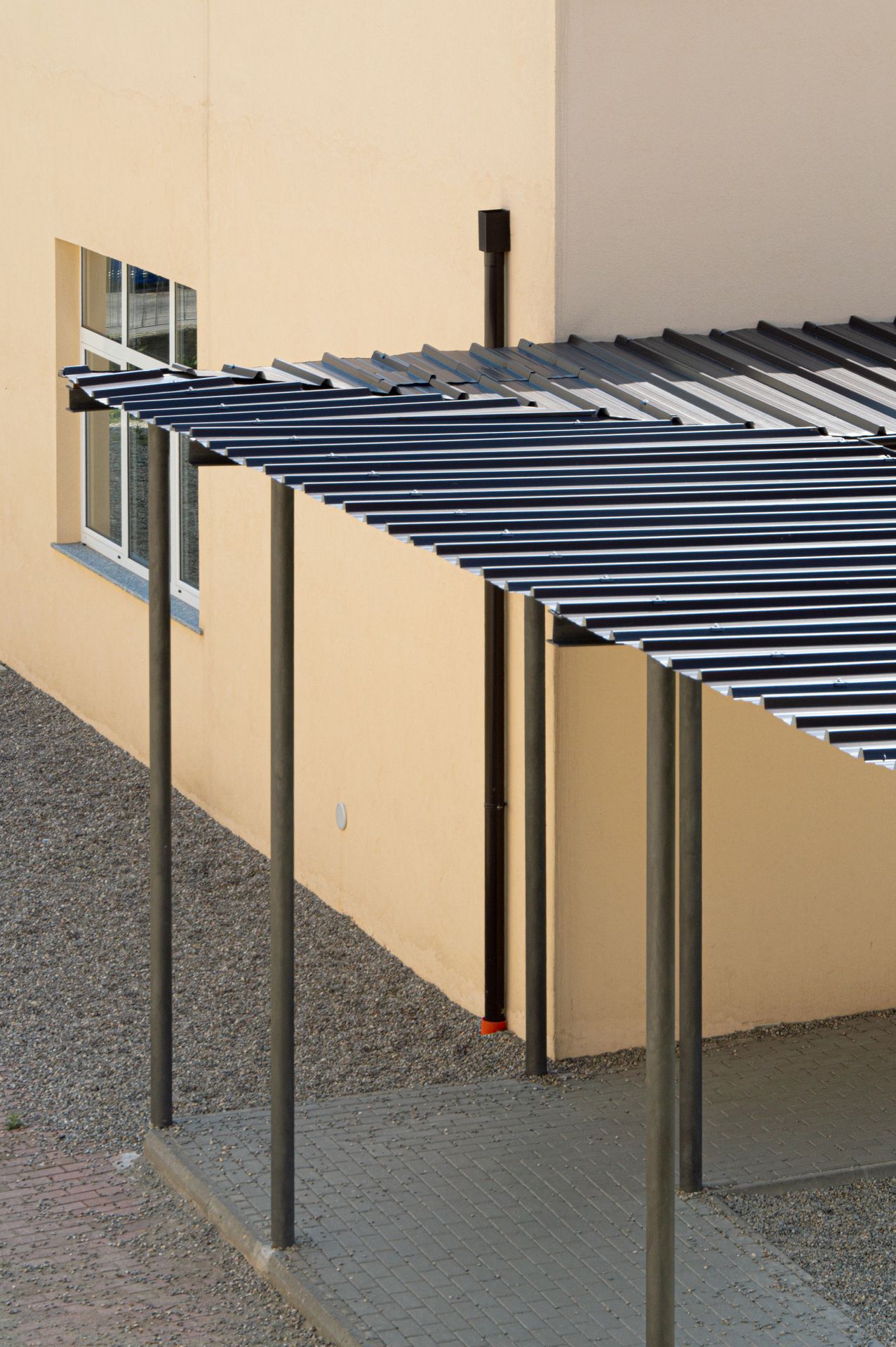
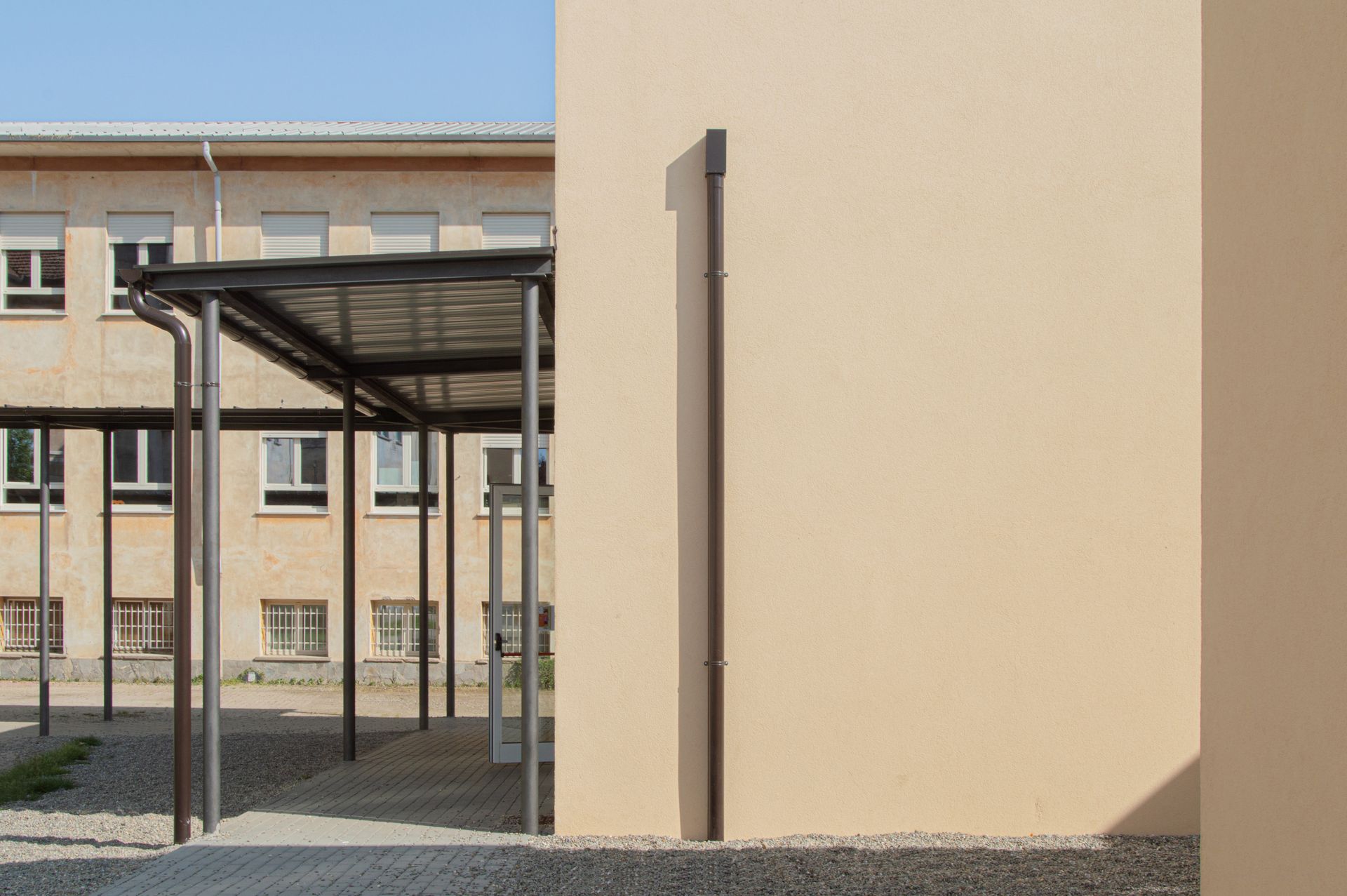
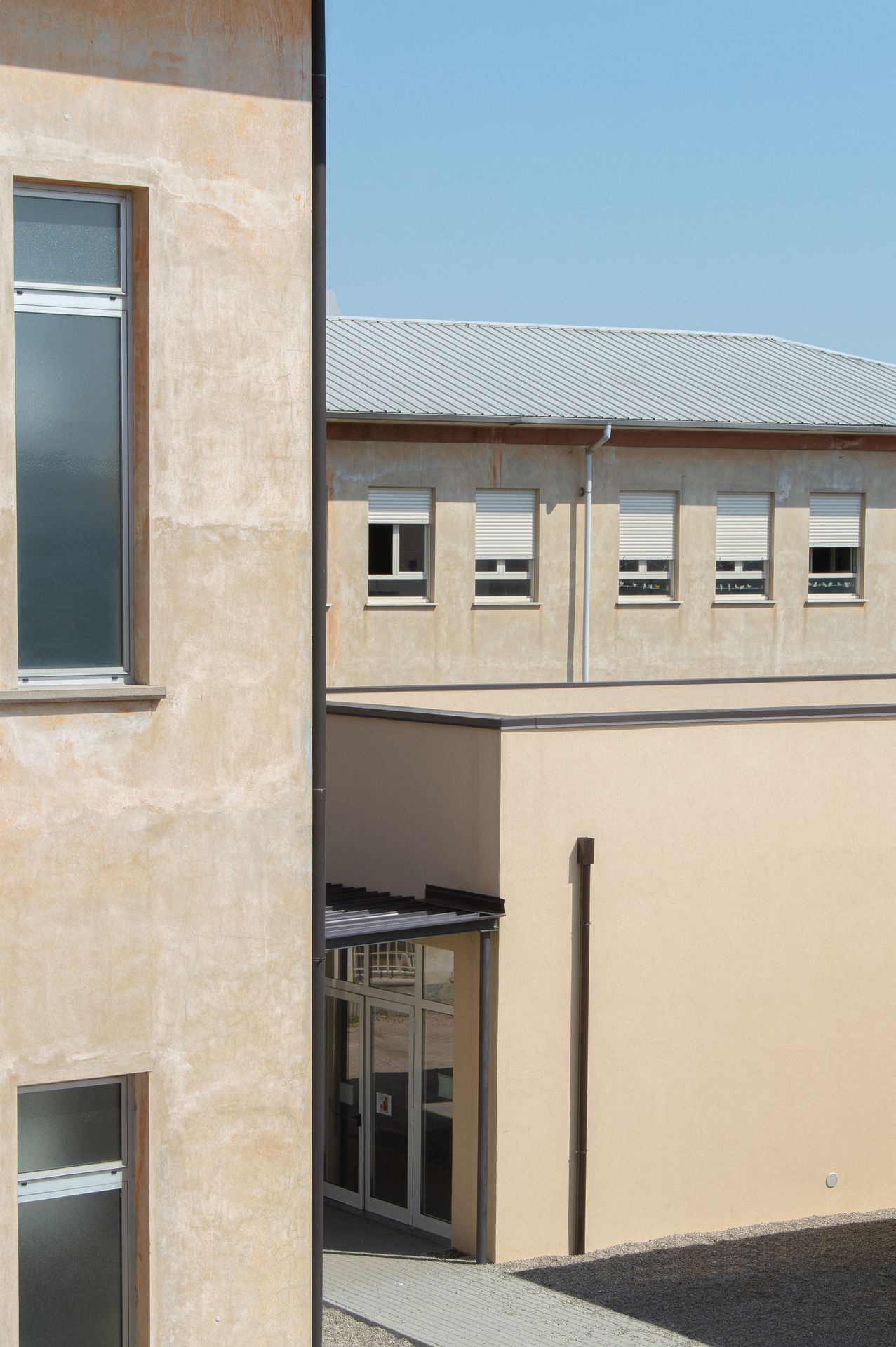
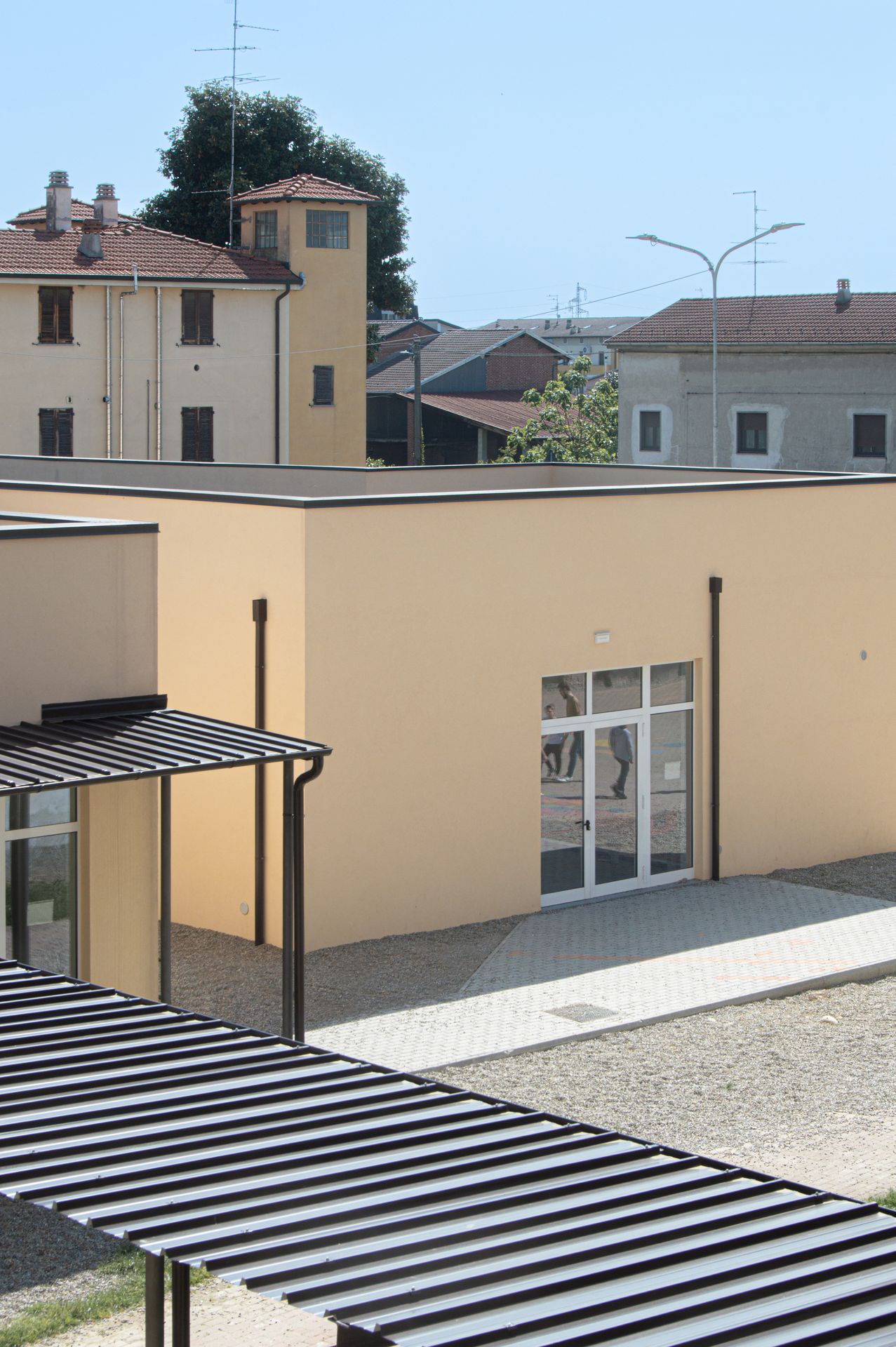
In Bellinzago Novarese, we approached the project of the new school cafeteria with the aim of respecting and enhancing the history of the place, without giving up a contemporary and functional approach. The school building from the early 1920s represents a cornerstone for the community, and from the very first design phases, particular attention was paid to ensure that the new volume integrated discreetly, never overshadowing the existing.
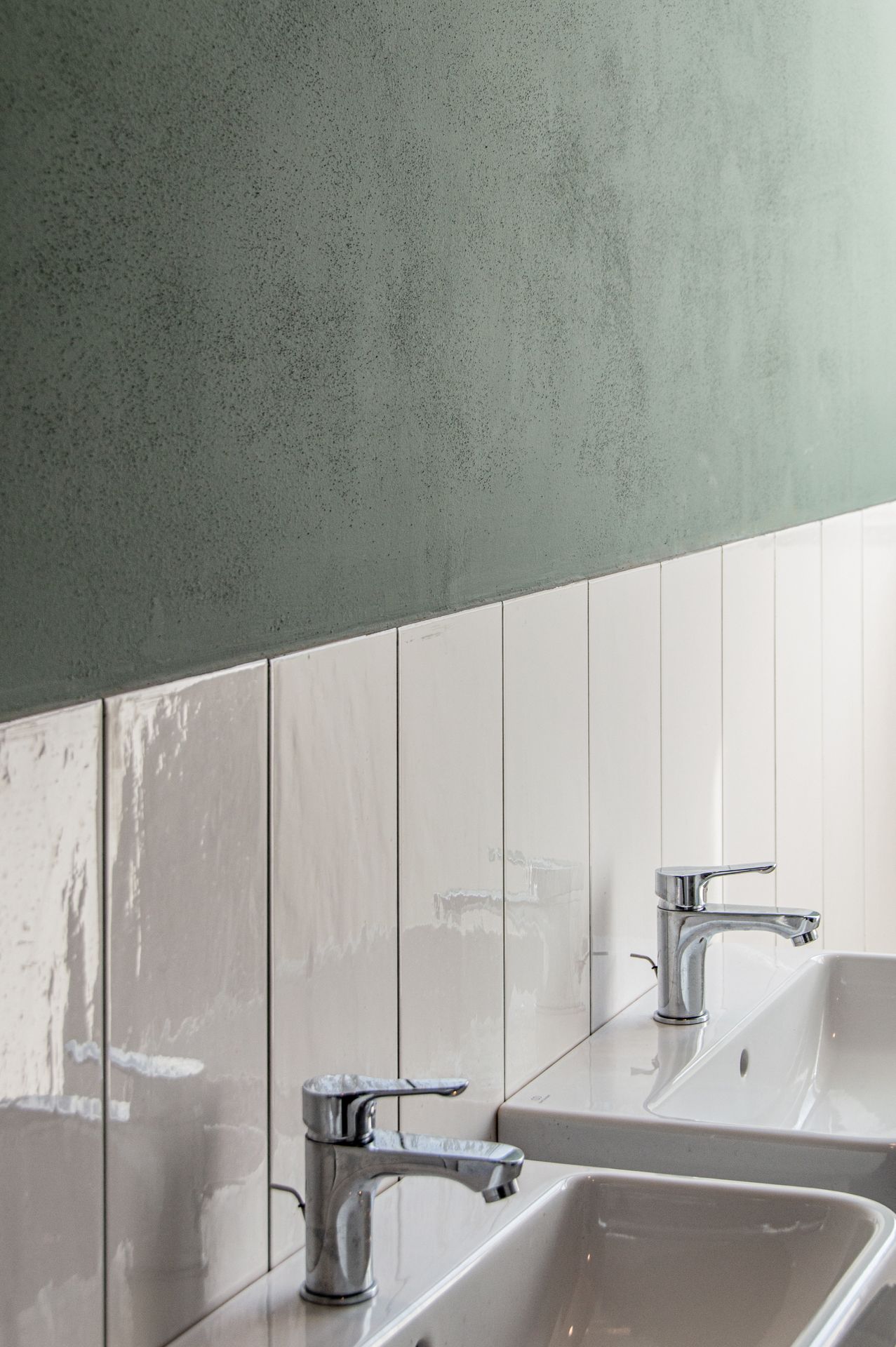
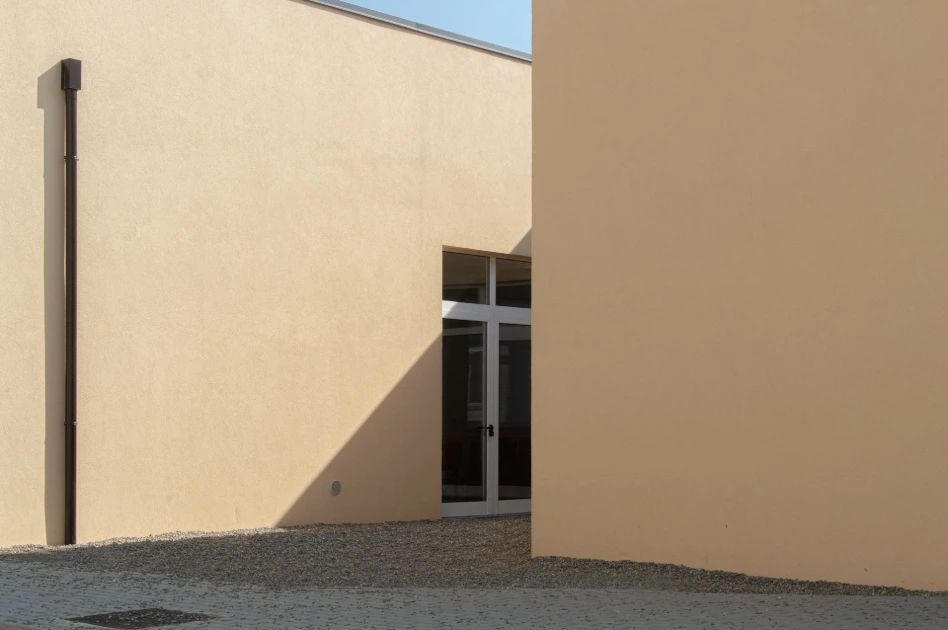
The new cafeteria arises as a natural continuation of the existing: the connection between the two architectures has been designed to be fluid and coherent, thanks to targeted choices in materials, colors, and proportions. The project focused on integration, avoiding any invasive gestures, because we believe that the value of an intervention also lies in the ability to fit into the context without forcing.
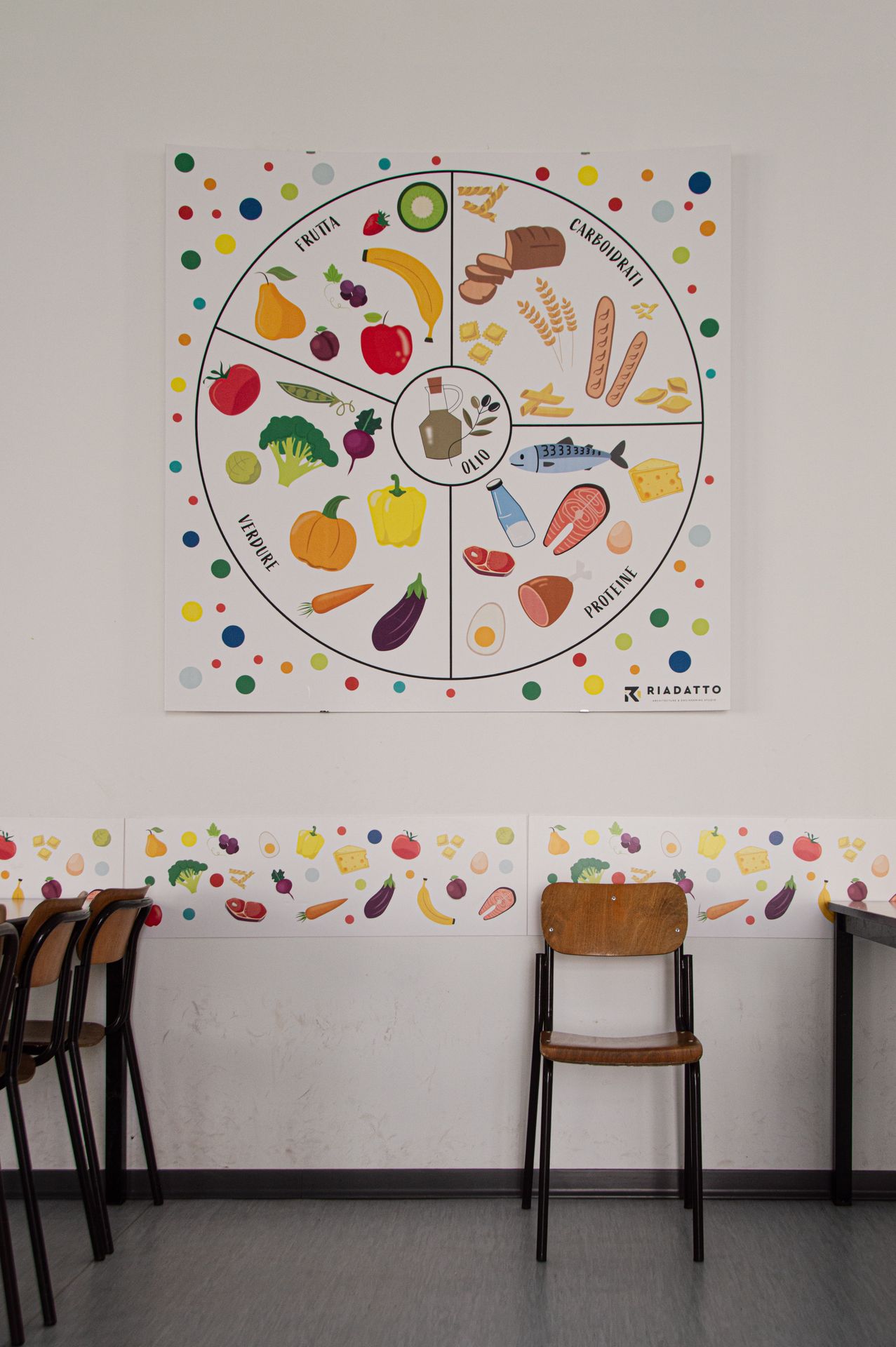
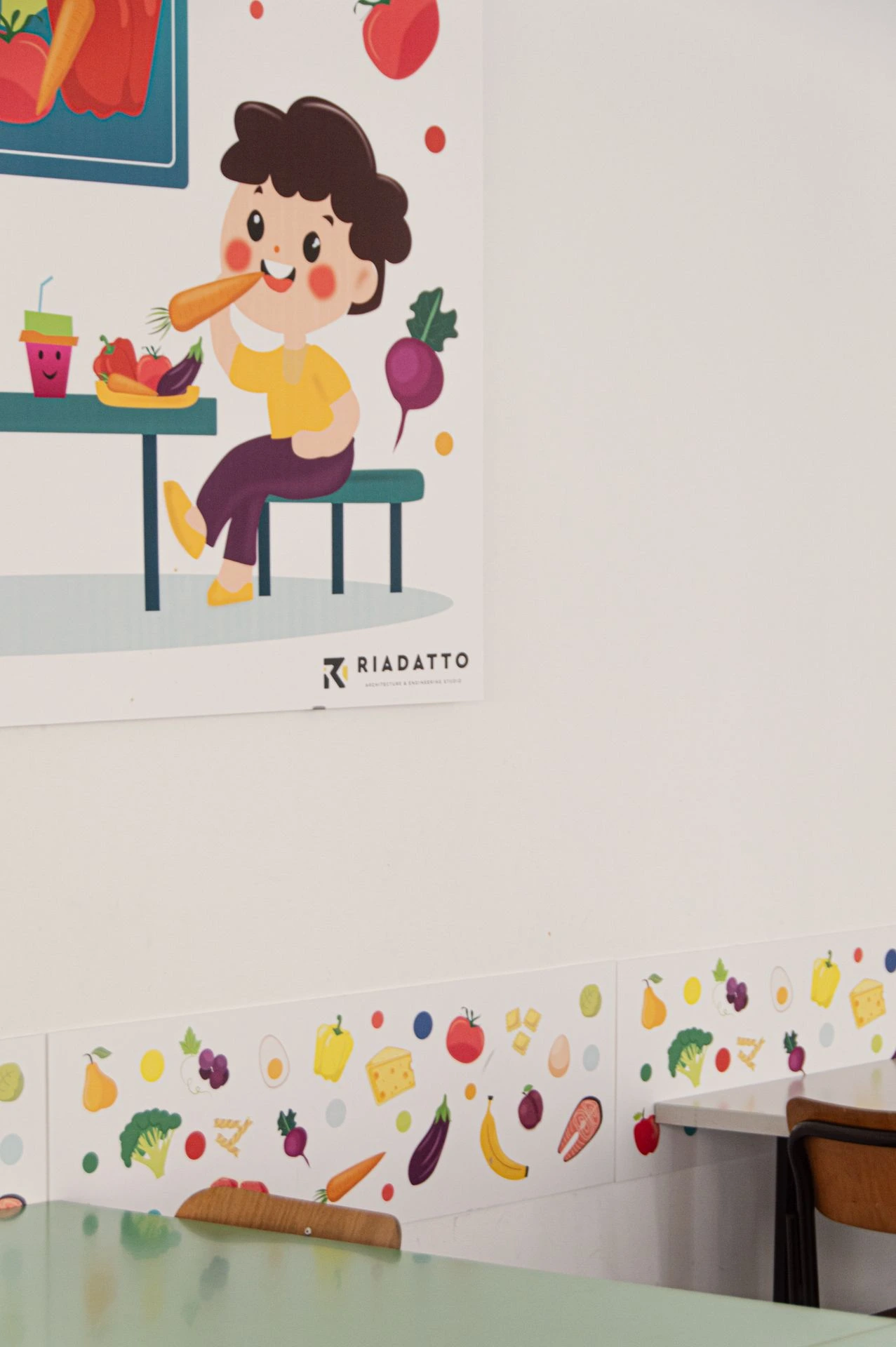
Particular attention has been given to the interior spaces, designed to be not only functional but also stimulating from an educational point of view. The graphics specifically created by our studio guide children on a journey of discovery related to food and healthy eating, transforming the cafeteria into a place where they can learn daily through experience.
For us at RiADATTO, this intervention is a concrete example of regeneration: adding value without erasing memory, creating spaces that respond to today's needs while being able to engage with the past. The new cafeteria is not just a service for the school, but a piece that strengthens the sense of community.
We believe that architecture should always be a tool for listening and care. In this project, we wanted to demonstrate that it is possible to innovate while respecting, to intervene without overturning. The cafeteria, intentionally a discreet element, serves the historic building, recognizing its value and centrality for the community. Our intervention lowers itself, both physically and symbolically, choosing to accompany and complete rather than to emerge or impose.
The new cafeteria arises as a natural continuation of the existing: the connection between the two architectures has been designed to be fluid and coherent, thanks to targeted choices in materials, colors, and proportions. The project focused on integration, avoiding any invasive gestures, because we believe that the value of an intervention also lies in the ability to fit into the context without forcing.
Particular attention has been given to the interior spaces, designed to be not only functional but also stimulating from an educational point of view. The graphics specifically created by our studio guide children on a journey of discovery related to food and healthy eating, transforming the cafeteria into a place where they can learn daily through experience.
For us at RiADATTO, this intervention is a concrete example of regeneration: adding value without erasing memory, creating spaces that respond to today's needs while being able to engage with the past. The new cafeteria is not just a service for the school, but a piece that strengthens the sense of community.
We believe that architecture should always be a tool for listening and care. In this project, we wanted to demonstrate that it is possible to innovate while respecting, to intervene without overturning. The cafeteria, intentionally a discreet element, serves the historic building, recognizing its value and centrality for the community. Our intervention lowers itself, both physically and symbolically, choosing to accompany and complete rather than to emerge or impose.
Thermal-hydraulic consulting: Dr. Eng. Filippo Arbellia
Electrical consulting: Dr. Eng. Riccardo Sogno
Acoustic consulting: Dr. Eng. Domenico Lo Iudice
Image credits: Giulia Azzini